In a world dominated by high-fidelity soundscapes, chiptune music from the Game Boy stands out like a pixelated gem in a sea of glossy graphics. It’s the quirky, catchy soundtrack that defined a generation of gamers, turning 8-bit blips and bloops into an art form. Who knew that those nostalgic beeps could evoke such powerful emotions?
Overview of Chiptune Music
Chiptune music represents a genre born from the constraints of early gaming hardware, particularly the Game Boy. This music style utilizes simple waveforms and limited audio channels, creating a distinctive 8-bit sound that resonates with nostalgia. Game Boy’s audio hardware includes four channels, each capable of producing different sounds, enabling composers to craft engaging melodies that enhance gameplay.
Melodies in chiptune music often feature catchy hooks and rhythmic patterns. These elements contribute to the overall appeal, making tracks memorable and fun. Artists use arpeggios, pulse waves, and square waves to develop intricate soundscapes that reflect the challenges and triumphs of gaming.
Cultural impact plays a significant role in chiptune’s enduring popularity. Modern musicians draw inspiration from classic Game Boy compositions, while events and festivals celebrate the creativity within this genre. Educators and hobbyists use tools like LSDJ (Little Sound DJ) to produce chiptune music, making it accessible for those interested in exploring this unique art form.
Emotional connection with players remains a key aspect of chiptune music. Many gamers associate specific tunes with personal experiences, such as memorable gameplay moments. This shared nostalgia reinforces the genre’s value, ensuring it continues to thrive.
Overall, chiptune music from the Game Boy highlights the artistry behind composed tracks. Its innovative use of technology and catchy sound remains a hallmark of the gaming experience, influencing new generations of musicians and fans alike.
Historical Background
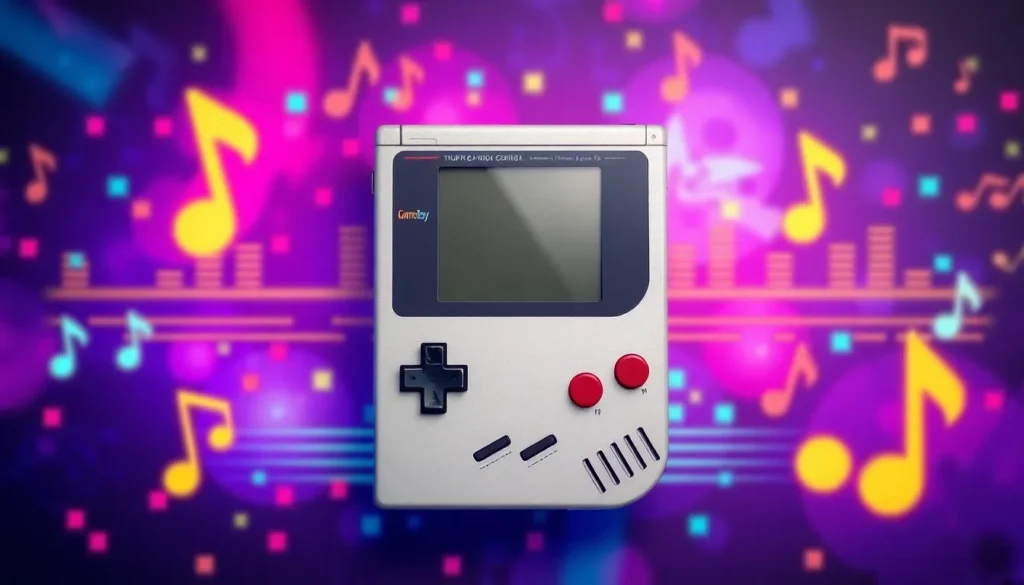
Chiptune music from the Game Boy has roots that trace back to the late 1980s and early 1990s. Nintendo introduced the Game Boy in 1989, featuring a simple yet effective audio processor. The device produced sound through four channels: two pulse wave channels, one wave channel, and one noise channel. Composers had to maximize these limitations, resulting in creative, memorable soundtracks that define the era.
Origins of Game Boy Music
Game Boy music emerged as game developers learned to navigate hardware constraints. Simple waveforms formed the backbone of compositions, enabling catchy melodies to flourish. Notable titles such as “Tetris” and “The Legend of Zelda: Link’s Awakening” showcased the potential of this new medium. As a result, the music became an integral part of gaming experiences, enhancing emotional connections and immersion.
Evolution of Chiptune Genres
Chiptune genres expanded significantly since their inception. Early tracks reflected minimalistic styles, while later works incorporated complex arrangements and diverse influences. Artists began experimenting with various techniques, leading to sub-genres like chip-rock and chip-hop. Today, these genres thrive in modern music scenes, with live performances and remixes showcasing their enduring appeal. Developers and musicians continue to inspire each other, ensuring that chiptune music evolves while retaining its nostalgic essence.
Characteristics of Chiptune Music from Game Boy
Chiptune music from the Game Boy possesses distinctive features that set it apart from other styles. Its creation stems from unique sound hardware limitations, leading to innovative compositions.
Sound Hardware Limitations
The Game Boy features an audio processor with four channels. Each channel produces simple waveforms like pulse, triangle, noise, and sample playback. Constraints forced composers to maximize creativity, crafting intricate melodies within these limits. Artists often layered sounds to create harmony, effectively utilizing each channel. Despite the simplicity, this limitation resulted in memorable tunes that resonate with gamers. Techniques such as sound modulation added depth, contributing to the overall richness of the music.
Unique Melodies and Rhythms
Melodies in Game Boy chiptune music stand out for their catchy nature. Composers often employed arpeggios, leading to intricate and engaging progressions. Rhythmic patterns frequently feature syncopation, creating an energetic feel that enhances gameplay. Artists harnessed the unique capabilities of the hardware to produce dynamic variations. These distinctive melodies evoke nostalgia, reminding players of their gaming experiences. Creative use of tempo and dynamics further enriches the auditory landscape, ensuring each piece remains memorable.
Popular Game Boy Chiptune Artists
Numerous artists have made significant contributions to the Game Boy chiptune scene, enhancing the genre’s vibrant landscape.
Notable Composers in the Scene
David Whittaker, a pioneering figure in chiptune music, created iconic tunes for titles like “Battletoads.” Keiji Yamagishi, known for his work on “Ninja Gaiden,” melded melodies with fast-paced gaming action. Another key composer, Yoshinori Sasaki, is celebrated for their contribution to “Famicom Wars.” These artists maximized the Game Boy’s limited audio capabilities while crafting memorable soundscapes.
Influential Albums and Tracks
One notable track includes the catchy theme from “Tetris,” composed by Hirokazu Tanaka. This tune exemplifies the charm of early chiptune music. Additionally, the soundtrack of “The Legend of Zelda: Link’s Awakening” features themes that resonate with fans. “Pokémon Red and Blue” introduced numerous tracks that became instantly recognizable. Each album and track showcases the creativity present within the constraints of Game Boy hardware, solidifying their place in gaming history.
Impact on Modern Music and Culture
Chiptune music profoundly influences modern music and culture. Many contemporary artists draw inspiration from classic chiptune compositions, integrating 8-bit sounds into various genres. Festivals and events often celebrate chiptune culture, showcasing its evolution and fostering community among enthusiasts.
Accessibility plays a crucial role in its resurgence. Tools like LSDJ (Little Sound DJ) allow aspiring producers to create their own chiptune music, attracting educators and hobbyists alike. This democratization of music production nurtures creativity and innovation within the genre.
Emotional connections with game soundtracks enhance nostalgia. Players often associate specific tunes with memorable moments in gaming, reinforcing the significance of chiptune music. Numerous modern songs sample or reference iconic Game Boy tracks, continuing to bridge the gap between gaming and mainstream music.
Moreover, chiptune sub-genres like chip-rock and chip-hop illustrate the genre’s versatility. These styles merge traditional chip sounds with elements from pop, rock, and hip-hop, appealing to diverse audiences. Live performances highlight this fusion, showcasing how contemporary artists reinterpret classic sounds while paying homage to their roots.
Recognition for chiptune’s cultural impact extends beyond the music industry. Video game soundtracks increasingly gain appreciation within academic circles, emphasizing their artistic value. As the genre flourishes, it influences and shapes modern musical landscapes, ensuring its relevance continues to resonate with both gamers and music lovers.
Overall, chiptune music from the Game Boy endures as a vital cultural component, continually inspiring new generations of artists and players alike.
Chiptune music from the Game Boy remains a powerful testament to creativity within constraints. Its distinctive sound not only defined a generation of gaming but also continues to inspire modern artists across various genres. The emotional connections players forge with these catchy melodies ensure that the nostalgia associated with chiptune music thrives.
As technology evolves, the spirit of chiptune persists through innovative compositions and vibrant community events. This genre’s ability to adapt while retaining its charm highlights its lasting impact on both the music and gaming worlds. Chiptune music is more than just a nostalgic echo; it’s a living art form that captivates new audiences and celebrates the creativity of its pioneers.