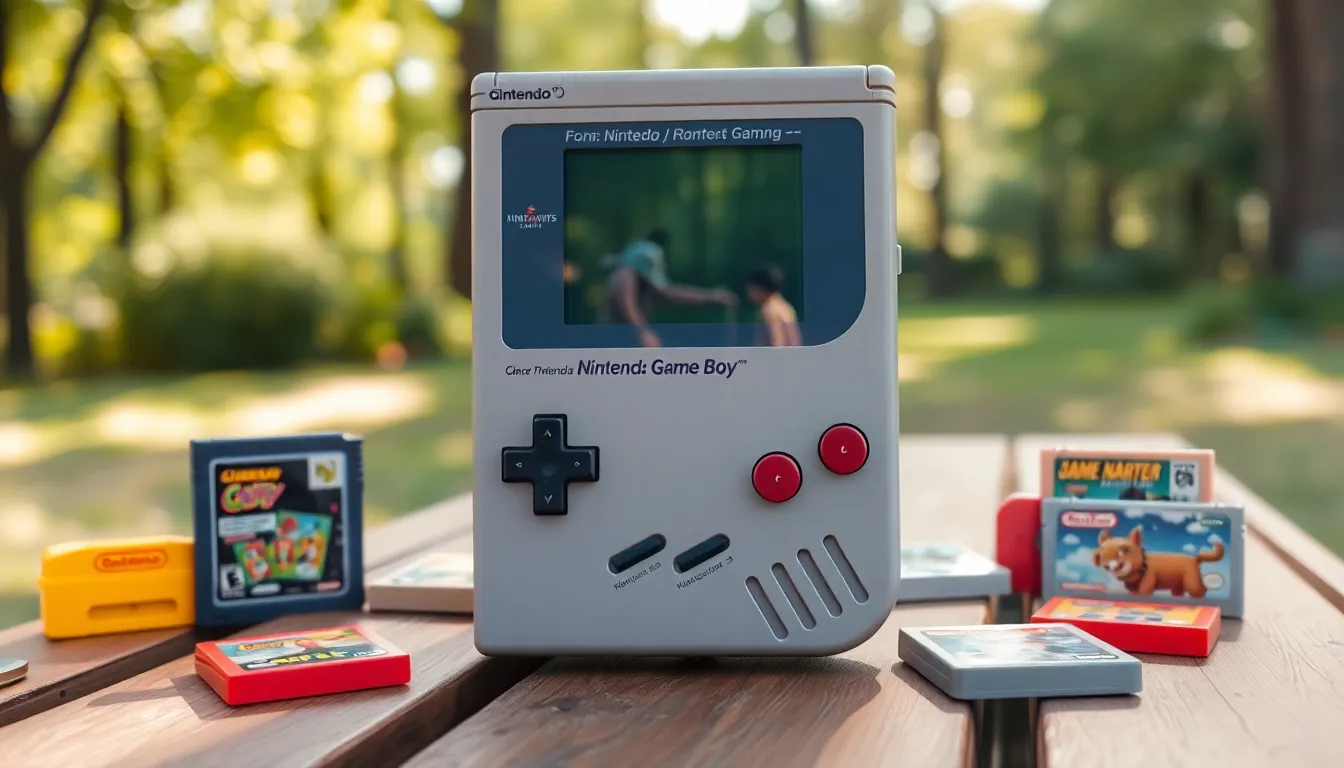
In the world of handheld gaming, few devices have left a mark quite like the Game Boy. Released by Nintendo, this little gadget didn’t just change the way people played video games; it practically revolutionized the entire industry. Imagine being able to take your favorite games on the go, all while sporting a device that could fit in your pocket—talk about a game-changer!
Game Boy Release Date Overview
The Game Boy first launched on April 21, 1989, in Japan. This release marked a pivotal moment in portable gaming history. Following its initial debut, Nintendo introduced the Game Boy to North America on July 31, 1989. The device quickly captured the attention of gamers worldwide.
Sales data shows that by the end of 1992, the Game Boy had sold over 8 million units globally. This impressive number reflects its popularity and impact on the gaming industry. The introduction of notable titles helped boost sales, including classics like Tetris and Super Mario Land.
Changes in the device occurred in the following years. In 1996, Nintendo released the Game Boy Pocket, a smaller, lighter version, enhancing portability further. Sales reached new heights with this new iteration, showcasing the brand’s ability to innovate.
Characterized by its iconic design, the Game Boy became a symbol of 1990s gaming culture. Gamers cherished the ability to play on the go, creating a sense of community around shared experiences. Its legacy continues to influence handheld gaming designs today.
Throughout the years, the original Game Boy received multiple redesigns and successors, including the Game Boy Color in 1998. By the time it phased out, the Game Boy series had become one of the best-selling consoles of all time, with over 118 million units sold. This achievement solidified Nintendo’s role in portable gaming history, laying the groundwork for future handheld devices.
Historical Context
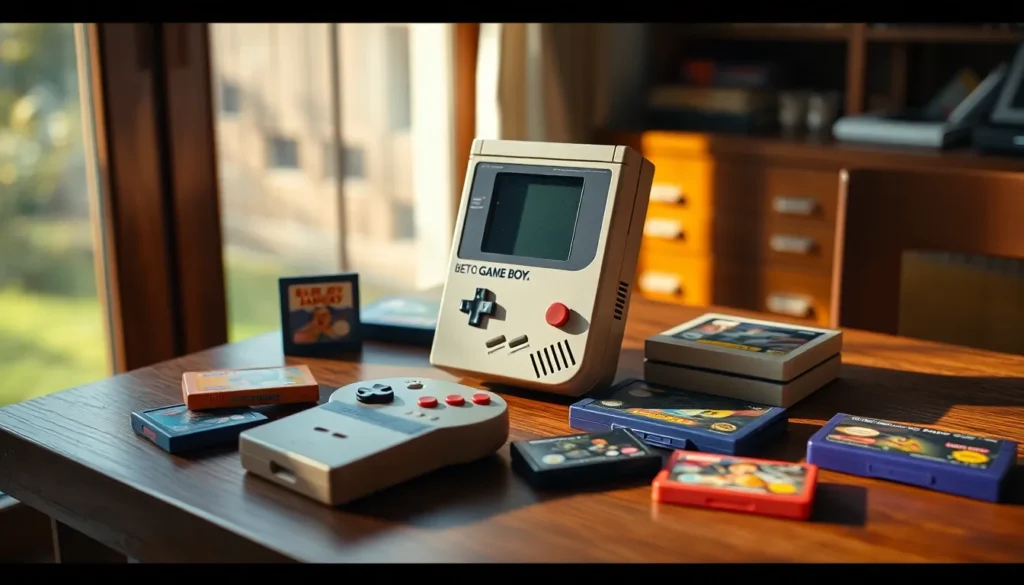
The Game Boy launched into a rapidly evolving gaming landscape, setting the stage for its monumental success.
Video Game Industry Before the Game Boy
Prior to the Game Boy’s arrival, the video game industry focused on home consoles and arcade machines. Home systems like the Nintendo Entertainment System dominated living rooms, while arcades thrived in urban centers. Game developers prioritized graphics and gameplay depth, often overlooking portable options. Limited handheld devices existed, but they lacked robust titles and features, failing to capture significant market interest. Players sought an immersive experience, largely tied to stationary gaming. As a result, the market was ripe for innovation, waiting for a device that could merge gaming with mobility.
The Need for Portable Gaming
In the late 1980s, the desire for gaming on the go increased among consumers. With busier lifestyles, players craved experiences that fit into their schedules. Long commutes and waiting periods opened opportunities for portable entertainment. Parents sought options that kept children occupied during travels. Car rides, waiting rooms, and school breaks created ideal scenarios for portable devices. The Game Boy emerged precisely when this need peaked, providing gamers with the ability to engage in their favorite titles anywhere. Its compact design and significant game library positioned it perfectly to meet these demands.
The Launch of the Game Boy
Nintendo launched the Game Boy on April 21, 1989, in Japan. Gamers in North America got their hands on it starting July 31, 1989. Initial reception was overwhelmingly positive, with players drawn to its compact design and portable nature. Within a short period, it sold over 8 million units globally by the end of 1992. Popular titles like Tetris and Super Mario Land drove demand, making the handheld console a favorite among players of all ages.
Release Date and Initial Reception
The Game Boy debuted in Japan, quickly capturing attention. Following its North American release, gamers praised its innovative features and accessibility. Early adopters appreciated the battery life, taking gaming on the go to new heights. Sales soared, largely due to engaging launch titles that appealed to a broad audience. By the end of 1992, sales exceeded 8 million units, solidifying the device’s popularity.
Key Features of the Game Boy
Notable features defined the Game Boy’s appeal. A monochrome LCD screen displayed a unique 160×144 resolution, enabling immersive gameplay. The device operated on four AA batteries providing approximately 10 hours of playtime. Its compact design promoted portability, fitting comfortably in pockets. The robust catalog of over 1,000 games, including classics like Tetris, ensured continued interest and enjoyment for players.
Impact on Gaming Culture
The Game Boy significantly shaped gaming culture, making portable gaming mainstream.
Influence on Future Handheld Consoles
Handheld gaming evolved as a direct result of the Game Boy’s success. The simple design and engaging gameplay inspired various manufacturers to create their own portable devices. Sony’s PlayStation Portable emerged in 2004, introducing more advanced graphics while retaining the compact nature that gamers loved. Nintendo followed with the DS series, incorporating touchscreens and improved graphics, building on the foundations laid by the Game Boy. Each subsequent handheld console reflected lessons learned from its predecessor, ensuring the portability trend stayed alive.
Legacy of the Game Boy
Game Boy’s legacy is evident in both nostalgic memories and modern gaming advancements. Its impressive sales of over 118 million units established a benchmark for success in the gaming world, influencing product design and marketing strategies. Additionally, beloved franchises like Pokémon and The Legend of Zelda found their beginnings on this system, creating lasting fan bases. Cultural references in movies and television further cement the Game Boy’s status as an icon. Today, its impact remains visible, as gaming continues to blend nostalgia with innovation, ensuring that the essence of the Game Boy endures.
The Game Boy’s release marked a pivotal moment in gaming history. Its innovative design and extensive game library not only captivated players but also laid the groundwork for future handheld consoles. As a cultural icon of the 1990s, it fostered a sense of community among gamers and inspired generations of developers. The enduring legacy of the Game Boy continues to influence the gaming industry today, reminding everyone of the joy and excitement that portable gaming can bring. Its impact is felt in both nostalgic memories and ongoing advancements in gaming technology.