Table of Contents
ToggleLeague of Legends esports has exploded into a global phenomenon, and attending a live event is a completely different experience than watching from your couch. The energy of thousands of fans cheering as your favorite teams clash on stage, the roar when a team secures Baron, the tension during a nail-biter finals match, it’s something every LoL fan should experience at least once. Whether you’re chasing the thrill of Worlds, the regional spectacle of LEC or LCS, or your local competition, getting your hands on League of Legends tickets is the first step. But navigating the ticket landscape can feel overwhelming: different events, multiple retailers, variable pricing, and yes, plenty of scammers lurking in secondary markets. This guide breaks down everything you need to know about finding, purchasing, and attending League of Legends events in 2026.
Key Takeaways
- League of Legends tickets for live events range from $20–$75 for regular season matches to $75–$500+ for Worlds, with prices varying by venue, seat location, and match importance.
- Always purchase League of Legends tickets through official channels like LoL Esports, Ticketmaster, or authorized regional platforms; secondary markets like StubHub require careful verification to avoid scams.
- Presales for major events drop 4–8 weeks in advance, with fan presales offering first access—registering on LoL Esports ensures you don’t miss exclusive early-sale windows.
- Watch for red flags when buying from resellers: unusually low prices, new accounts with multiple listings, requests for unusual payment methods, and missing venue or seat details are common scam indicators.
- Arriving 60–90 minutes early, checking your seat location in advance, and bringing a portable charger ensures a smooth first-time experience at crowded esports venues.
- VIP and premium packages ($250–$500+) offer exclusive benefits like best-view seating, lounge access, and meet-and-greet opportunities, but standard tickets deliver the same electrifying crowd experience at a lower cost.
Understanding League of Legends Live Events
What Types of Events Have Live Audiences
Not every League of Legends match happens on a stage with screaming fans. The esports calendar is packed with different event tiers, and each offers a distinct experience.
Worlds is the crown jewel, the annual world championship held every October that draws the planet’s best teams. It’s the most prestigious, the most expensive to attend, and frankly, the most electric atmosphere you’ll find in League esports. The main event typically runs for two weeks, with group stages, quarterfinals, semifinals, and finals spread across multiple venues.
Regional championships (like LEC Finals in Europe or LCS Championship in North America) are intense, no-question, but with slightly smaller crowds. These usually happen once a year per region and serve as the gateway tournament to Worlds. The stakes are massive for the teams, but tickets are generally more accessible and affordable than Worlds.
Regular season matches do have live audiences, especially in franchised leagues. The LEC and LCS run weekly matches throughout the year, both spring and summer splits. These are perfect entry points if you want to experience live League esports without dropping hundreds on a ticket. The crowds are real, the production value is high, and you get to see your region’s teams play regularly.
Playoffs sit between regular season and championships in terms of hype and ticket demand. They’re inherently more competitive than the regular season, with teams fighting for their Worlds qualification lives.
International events outside of Worlds include Mid-Season Invitationals (MSI), which happens in spring with regional representatives, and occasional one-off international tournaments or events.
Regional vs. International Competitions
Regional events are held in specific countries and pull from that region’s talent pool. When you attend an LEC match in Berlin or an LCS broadcast in Los Angeles, you’re getting a concentrated dose of regional competition. Crowds are passionate about their home teams, matches tend to be less predictable (regional meta can diverge significantly), and tickets are more plentiful.
International events are where the best teams from every region converge. The production scales up massively. Venues are larger. The meta is tighter because everyone’s prepping against the world’s elite. Teams are more disciplined, the gameplay is cleaner, and the stakes feel genuinely global. The ticket experience at Worlds, for instance, is incomparable to regional events, it’s the NFL Super Bowl of League esports.
Attendance differences matter for logistics too. A regional event might have 500 to 2,000 concurrent viewers in the venue, while Worlds stadiums can pack 10,000+ spectators. That affects everything from concessions to bathroom lines to the acoustics of your experience.
How to Find and Purchase League of Legends Tickets
Official Ticket Retailers and Platforms
Always start with official channels. Riot Games runs the esports operation, and they control ticket distribution through partnerships with major platforms.
LoL Esports is your primary source. The official League of Legends esports site has a dedicated ticket section where you can see upcoming events, links to purchase, and sometimes exclusive pre-sales for registered fans. When an event goes on sale, this site will always have the announcement and the direct link to the retailer.
Ticketmaster handles the vast majority of League of Legends ticket sales in North America and many international events. Their platform is secure, reliable, and integrates directly with Riot’s system. You’ll create an account, search for events, and purchase through their interface. Ticketmaster charges processing fees (typically 10-15% of ticket price), which isn’t avoidable, so factor that into your budget.
Regional platforms vary. In Europe, Eventim handles many LEC events. In other regions, local ticketing partners take over, this is why you should always check the official LoL Esports site first, since it will direct you to whatever platform Riot’s partnered with.
Direct venue sales are sometimes available. Larger venues (like arenas hosting Worlds) often sell tickets directly through their box offices alongside Ticketmaster. This can occasionally bypass platform fees, though availability is often limited.
The key rule: if it’s not coming from LoL Esports, Ticketmaster, or a venue’s official box office, it’s not official.
Third-Party Resellers and Secondary Markets
Secondary markets exist because tickets sell out. StubHub, Vivid Seats, and SeatGeek are the major platforms where people resell tickets they can’t use. These can be legitimate, you might find great seats at face value from someone who had a scheduling conflict. But they’re also where scams proliferate.
If you go the secondary market route:
- Buy only from platforms with buyer protection (StubHub, SeatGeek, Vivid Seats all have guarantees). If the ticket doesn’t work, you get a refund.
- Check seller ratings obsessively. A new account with zero reviews selling 20 tickets? Skip it.
- Verify the event details. Make sure the date, venue, and seat location match what you’re paying for. Scammers love listing tickets for the wrong event.
- Avoid direct transfers outside platforms. If someone’s asking you to meet them in person or pay via Venmo for a ticket to a future event, that’s textbook fraud.
- Watch for counterfeits. Once you receive a ticket, verify it directly on the official venue or LoL Esports site if possible.
Secondary markets exist for a reason, and many tickets sold there are legitimate. Just understand you’re taking on more risk than buying direct.
Ticket Pricing, Availability, and Release Dates
Factors That Affect Ticket Prices
League of Legends ticket prices vary wildly, and it’s not random. Several variables influence what you’ll pay.
Event tier is the biggest factor. Regular season matches might run $20–$75 per ticket. Regional playoffs jump to $40–$150. Worlds can range from $75 to $500+ depending on the stage. Finals matches cost significantly more than group stages.
Venue size and location matter enormously. A Worlds event in a major European city will have different pricing than one held in a smaller Asian market. Larger arenas charge more for better seats and can support higher base prices due to demand.
Seat location is obvious but significant. Nosebleed seats behind the stage? $40. Mid-level behind the desk with a decent sightline? $120. VIP with prime viewing, merchandise, and perks? $300–$500. You’re literally paying for proximity and comfort.
Day of the week and match importance swing prices. Finals matches cost more than semifinals. Weekend matches cost more than weekday matches. A Group Stage match with regional underdogs will be cheaper than playoffs with fan-favorite teams.
Secondary market inflation kicks in after official sales end. If an event’s sold out, resale prices explode. A $50 ticket might flip for $200 on StubHub because scarcity drives demand.
Currency exchange rates affect international purchases. If you’re buying from a region with a weaker currency, prices might be surprisingly affordable. The flip side: if you’re buying into a stronger currency, expect to pay premium.
When Tickets Go On Sale and Availability Windows
Riot Games typically announces tickets 4–8 weeks before an event. This isn’t set in stone, sometimes there’s less notice, especially for regional events.
Here’s the typical release schedule:
- Regular season matches: Announced 2–4 weeks out. Tickets usually go on sale 1–2 weeks before the event. These don’t typically sell out, so you have flexibility.
- Regional playoffs: Announced 6–8 weeks out. On-sale dates are announced 4–6 weeks before. These can sell out, especially for fan-favorite teams or final matches.
- Worlds: Announced 10+ weeks out. Group stage tickets go on sale first (sometimes 8–10 weeks before). Knockout stage tickets (quarterfinals, semifinals, finals) release in waves as the tournament progresses.
When tickets drop, they sell in tiers:
- Fan presale (24–48 hours): If you’re registered on the LoL Esports site or part of certain partner programs, you get first access. This is your golden window, buy immediately if you can.
- General public sale: Tickets open to everyone. Popular matches evaporate within hours.
- Reserved inventory: Venues always hold back some seats for accessibility, last-minute corporate purchases, or artist/talent needs. These trickle out over time.
Facing unavailability? Your options narrow. Secondary markets are your only path, or you wait for Riot to occasionally release additional allocations (rare but it happens).
Tip: Set calendar alerts for announcement dates. For major events, follow Dot Esports and the official LoL Esports Twitter/X, they break the news immediately. Missing a presale by 30 minutes can mean the difference between securing tickets and having zero options.
Preparing for Your League of Legends Event Experience
What to Expect at Live Matches and Venues
Walking into a League of Legends event for the first time can feel overwhelming if you don’t know what’s coming.
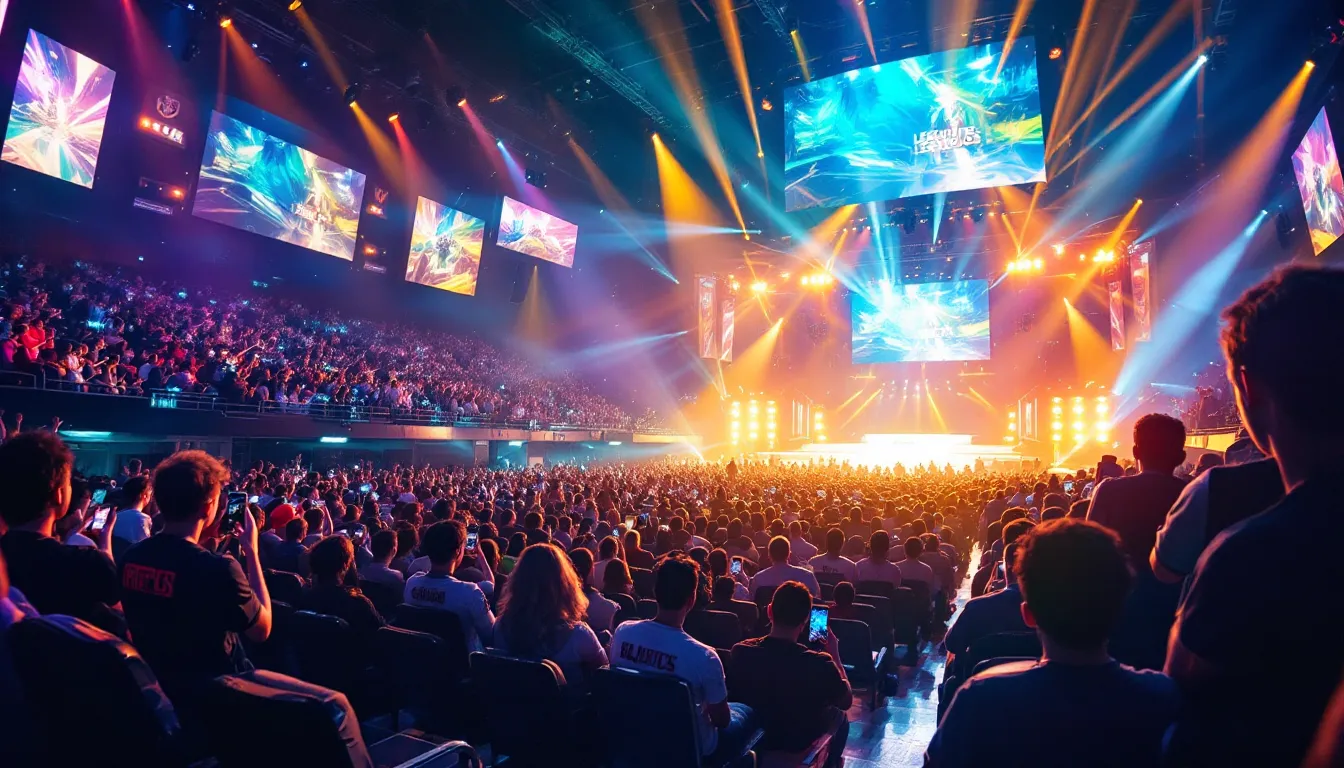
The broadcast experience is your first shock: the crowd is loud. Incredibly loud. You’ll hear the casters, but you’re experiencing the raw energy of thousands of fans reacting in real-time. When a team secures a big teamfight, you feel it viscerally. The sound design, crowd noise, and announcements create an immersive environment that zero streams can replicate.
Pre-game shows vary by event. Major events (especially Worlds) feature opening ceremonies, musical performances, team introductions, and hype packages. Expect 30–60 minutes of buildup before the first match. Bring entertainment for queue time.
Venue layout depends on the specific location. Most esports venues have spectator seating, a main stage with screens for the game and player cams, and a control room. Sound systems are designed for the stage to stadium acoustic experience. Sightlines vary wildly based on seat location, sitting directly behind the desk (where players sit) can actually limit your view of the main screen.
Concessions and merchandise are pricey. Stadium prices for food and drinks are standard across venues ($8–$15 for a soda, $12–$20 for a burger). Team merchandise booths sell jerseys, skins codes, and branded gear at event-specific pricing. Budget extra if you want to grab anything.
Duration matters for planning. A single match runs 25–50 minutes depending on how the game goes. An event with multiple matches can easily span 6–8 hours if you’re there for the full day. Some people arrive for specific matches and leave: others camp out for the entire broadcast.
Essential Tips for First-Time Attendees
Going to your first League of Legends live event? Keep these logistics in mind.
Arrive early. Venues get crowded fast, especially for popular matches. Aim to arrive 60–90 minutes before doors open to secure parking, grab food, and find your seat without rush. This also gives you time to soak in the atmosphere as the crowd builds.
Wear team colors or merch. You’ll fit in better and have more fun. The crowd’s energy is contagious, and showing team support makes the experience communal. That said, esports crowds are generally respectful, you won’t get harassed for cheering for a different team.
Bring a portable charger. You’ll be taking photos and videos. Your phone battery will die faster than you’d expect, especially if you’re streaming to friends or using the venue’s WiFi.
Know your seat location ahead of time. Venues aren’t always intuitive. Check seating maps on the venue’s website or Ticketmaster before you arrive so you don’t wander around lost.
Check the venue’s bag policy. Some venues allow backpacks: others don’t. Some restrict size. Knowing this before you arrive saves you headaches at entry.
Bring cash or a card. Most concessions accept both, but having cash for tips or unexpected vendors is smart.
Expect variable audio quality depending on seat location. Casters’ commentary sounds different from every angle. If you’re far from the stage, you might not hear everything clearly, which is why the in-venue screens are critical.
Reading the League of Legends Archives on Southparkmarathon can also give you event previews and team rosters so you arrive with context about who’s playing and what’s at stake.
VIP and Premium Seating Options
Exclusive Benefits of Upgraded Packages
If standard tickets aren’t enough, most major League of Legends events offer VIP or premium packages. Here’s what you’re typically paying for:
Premium seat location: You get the best sightlines in the house, usually center stage, elevated, with zero obstructions. These seats cost 2–3x the price of standard seating, but the experience is noticeably better.
Exclusive lounge access: Higher-tier packages include separate waiting areas, climate-controlled lounges, and sometimes complimentary snacks or drinks. You’re not sweating in general admission lines.
Meet-and-greet opportunities: Some VIP packages include scheduled time with players, casters, or team representatives. This is huge for fans. If meeting your favorite pro is on your bucket list, VIP is your ticket.
Merchandise bundles: VIP packages often include exclusive team gear, signed memorabilia, or limited-edition skins codes that aren’t available to general admission. These can hold resale value.
Priority entry: Skip the general admission lines. VIP guests get dedicated entry lanes, meaning less wait time and more time to settle in before the broadcast starts.
Premium catering: Access to elevated food options instead of standard concession fare. Quality varies, but the idea is better-quality snacks and faster service.
Dedicated parking: If the venue offers it, VIP packages include reserved parking spots closer to the entrance, saving you the walk from the overflow lot.
Commemorative items: Limited-edition programs, lanyards, or certificates of attendance that mark your VIP status.
Cost Comparison and Value Assessment
Let’s break down whether VIP is worth it for you.
Standard ticket: $100–$200 (depending on event and match importance). You get a seat, access to the venue, and the full crowd experience.
Premium/VIP ticket: $250–$500+. You get everything above, plus the upgrades listed.
The math depends on what you value:
- If you’re a casual fan attending once: Standard is fine. You’ll have a great time and won’t regret not splurging.
- If you’re a hardcore fan or collector: The exclusive merchandise and meet-and-greet access might be worth the premium.
- If you care deeply about viewing experience: Premium seating transforms the event. Not having to crane your neck or squint at screens makes a real difference.
- If you want to minimize hassle and maximize comfort: VIP lounges and priority entry reduce friction significantly.
Thing is, the gameplay and crowd energy are the same whether you paid $100 or $500. The upgrades are about convenience and exclusivity, not inherently better access to the matches themselves. A fan with a great standard seat behind a pillar might have a worse experience than a VIP with a mediocre lounge.
Check the exact perks each package offers before buying. Some packages are genuinely worth it: others are overpriced fluff. Compare what you’re getting versus the price increase and decide if it aligns with your priorities.
Common Ticket Scams and How to Avoid Them
Red Flags When Purchasing Online
Scammers prey on esports fans because demand is high and people are often purchasing last-minute in a frenzy. Here’s what to watch for:
Unusually low prices: If you find Worlds finals tickets for $30 on a random resale site, they’re either counterfeits or the seller is running a scam. Real tickets reflect real demand. If a deal seems too good to be true, it absolutely is.
Sellers outside official platforms: Facebook Marketplace, Craigslist, Discord DMs, these are hotbeds for fraud. You have zero recourse if something goes wrong. Always use established platforms with buyer protection (Ticketmaster, StubHub, SeatGeek, Vivid Seats).
New accounts with multiple listings: A brand-new seller with 20 tickets to the same event is suspicious. Legitimate resellers usually have history and selling gradually.
Requests for unusual payment methods: If someone asks for gift cards, cryptocurrency, wire transfers, or Venmo for a future event, that’s a massive red flag. They can disappear after taking your money. Official platforms always process payments themselves.
Missing or vague details: The listing should specify venue, date, time, seat section, and row number. If any of these are unclear or the listing says “seat to be assigned,” run.
Photos that look generic or copied: If the listing photo is the same as another selling for wildly different prices, it’s a scam. Scammers often lift images from legitimate postings.
Pressure tactics: “Only 2 left.” “Expires in 1 hour.” These create false urgency. Real scarcity exists, but scammers use artificial urgency to bypass your critical thinking.
Communication red flags: Sellers who use broken English, deflect questions, or push you off-platform are often bad actors.
Protecting Your Personal and Financial Information
Even on legitimate platforms, security matters.
Use strong, unique passwords for any ticketing account. Don’t reuse the password from other sites. If Ticketmaster gets breached, attackers won’t automatically have access to your email or other accounts.
Enable two-factor authentication everywhere possible. This prevents someone from accessing your account even if they steal your password.
Never share your full ticket details publicly. If you post about your ticket on social media, blur the QR code or ticket number. Scammers can screenshot that and duplicate it.
Verify URLs before entering credentials: Scammers create fake Ticketmaster or StubHub sites that look identical to the real thing. Always type the URL directly into your browser or click through from official LoL Esports links, never from random links in Discord or Reddit.
Check for HTTPS and security badges: Real ticketing sites display HTTPS (not HTTP) in the URL and often have a security badge. It’s not foolproof, but it’s a basic check.
Use credit cards instead of debit cards when possible. Credit card companies offer stronger fraud protection than banks. If you dispute a charge, the burden of proof is on the merchant, not you.
Keep records of your purchase: Screenshot your confirmation email, order number, and seat details. If something goes wrong, you’ll have evidence.
Monitor your accounts: Check your bank and credit card statements for unauthorized charges. If you spot something suspicious, report it immediately.
Report suspicious listings: If you see a scam on StubHub or SeatGeek, report it. These platforms take it seriously and will remove fraudulent postings.
The competitive gaming landscape is huge, and events like those featured in Mobalytics and across esports news sites attract both legitimate fans and bad actors. Stay vigilant, trust your instincts, and when in doubt, use official channels or established platforms with buyer protection.
Conclusion
Attending a League of Legends live event is an investment, in money, time, and logistics. But for esports fans, it’s one of the most rewarding experiences you can have. The roar of the crowd during a clutch Baron steal, the tension of a 50-50 Baron dance, the relief when your team closes out a five-game series, these moments stick with you far longer than any clip or highlight video.
The ticket landscape isn’t simple. You’ve got to navigate multiple platforms, understand pricing variables, watch out for scams, and plan logistics. But if you follow this guide, you’ll sidestep the pitfalls and secure tickets the right way.
Start by monitoring the official LoL Esports site for announcements. When presales drop, move fast. Use legitimate platforms. Budget for fees and plan your logistics early. If you can’t secure tickets in official channels, proceed to secondary markets with caution, but don’t panic, tickets usually surface as the event approaches.
Most importantly: go. Experience League of Legends live. Whether it’s a regional playoff, an international showdown, or a regular season match, the energy is electric and the memories are worth it.