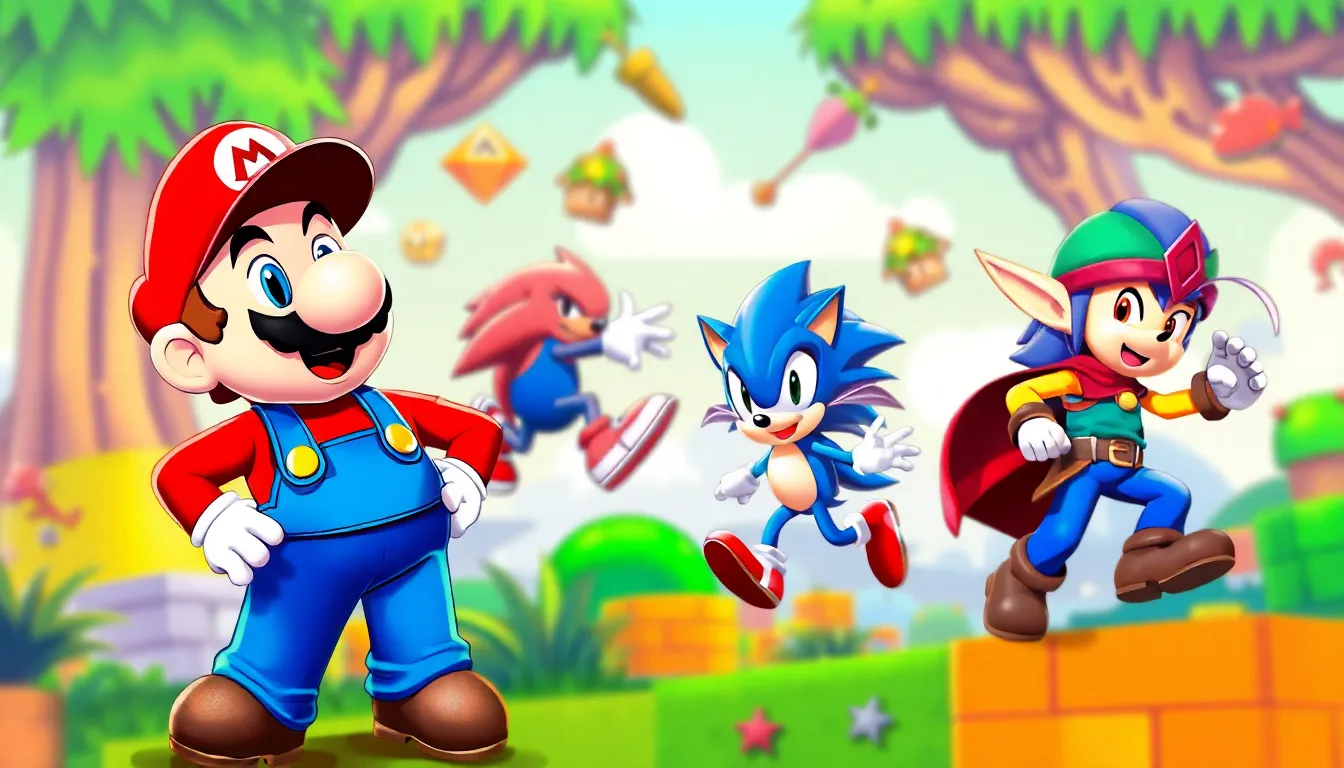
The 90s were a magical time when video game icons sprang to life, captivating players with their pixelated charm and unforgettable adventures. From the heroic leaps of a plumber in red over mushroom-filled landscapes to the daring escapades of a blue hedgehog racing against time, these characters became more than just avatars; they were household names.
As consoles evolved and graphics improved, so did the personalities behind the screens. Gamers everywhere found themselves laughing, crying, and occasionally throwing controllers in frustration. Whether it was saving princesses or collecting rings, these icons shaped a generation’s childhood. So grab your controller and dust off that old console as we dive into the nostalgia of 90s video game legends that still make us smile today.
Overview of 90s Video Game Icons
The 1990s marked a transformative era for video games, giving rise to unforgettable characters that captured players’ hearts. Characters like Mario, the adventurous plumber, showcased brilliant platforming mechanics and imaginative worlds. Sonic, a blue hedgehog known for his speed, emerged as a rival, appealing to fans with his attitude and innovative gameplay.
These icons didn’t just entertain; they became symbols of an entire generation. Nintendo’s Mario series set benchmarks in design and storytelling, while Sega’s Sonic franchise pushed the limits of speed and level design. Players often found themselves emotionally invested in the journeys and challenges faced by these characters.
Moreover, characters such as Link from “The Legend of Zelda” and Donkey Kong cemented their places in gaming history. Link’s quests for courage and wisdom led to memorable adventures, while Donkey Kong introduced dynamic gameplay mechanics and captivating narratives. Each game challenged players in unique ways, encouraging exploration and strategy.
Pop culture also embraced these characters, leading to merchandise, television shows, and movies. The impact of these icons extended beyond gaming, influencing various forms of entertainment and leaving a lasting legacy.
Many video game characters from the 90s continue to appear in modern titles, reflecting their enduring popularity. Familiar figures often return in remastered versions or as part of new storylines. Their influence remains strong, shaping the gaming industry’s evolution and continuing to inspire new generations of players.
Notable Characters
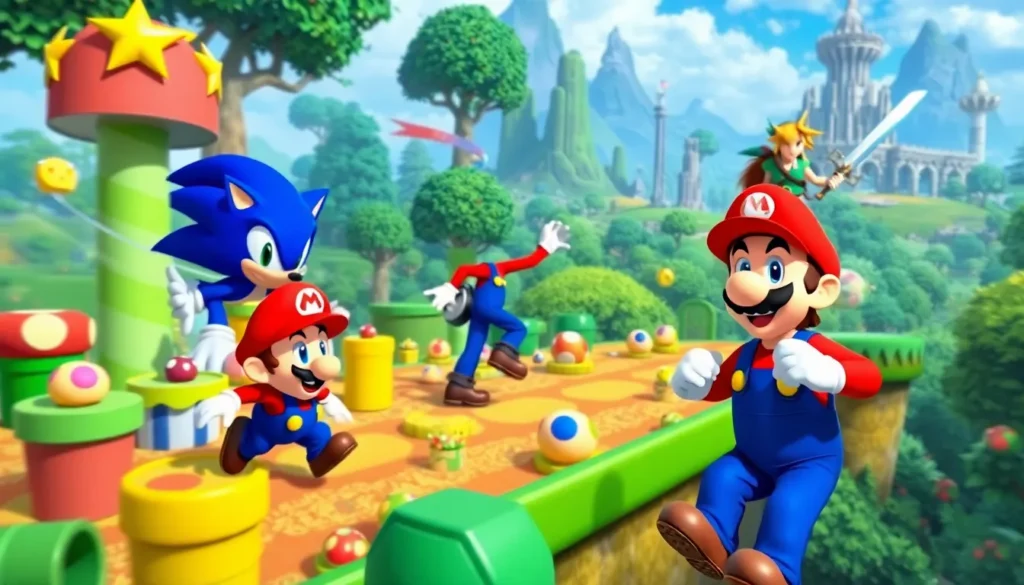
The 1990s introduced a variety of unforgettable video game characters that left lasting impressions on players.
Mario and Luigi
Mario, the plucky plumber, first captured attention in 1985 but gained iconic status in the 1990s. His joyful escapades across the Mushroom Kingdom thrilled gamers. Luigi, his loyal brother, became a fan favorite for his unique personality and distinct green outfit. Together, they starred in countless titles like “Super Mario 64,” which pioneered 3D platforming. Their adventures emphasized creativity and precision, establishing a gold standard in the gaming industry.
Sonic the Hedgehog
Sonic, the blue blur, revolutionized platforming in the early 1990s. His speed became synonymous with the Sega Genesis, challenging Nintendo’s Mario. Introduced in “Sonic the Hedgehog” in 1991, he showcased stylish gameplay and memorable levels. Characters like Tails and Knuckles expanded the franchise, adding depth and excitement. The vibrant graphics and catchy music enhanced the overall gaming experience, solidifying Sonic’s place as a cultural icon.
Link and Princess Zelda
Link, the courageous hero, became central to “The Legend of Zelda” series, which began in 1986 but flourished in the 90s. His quest to rescue Princess Zelda captivated audiences with rich storytelling and immersive worlds. Games like “The Legend of Zelda: Ocarina of Time” set benchmarks for 3D open-world exploration. With puzzle-solving and action-adventure elements, this game established a loyal fan base. Zelda herself evolved from a damsel in distress to a powerful character, enriching the narrative.
Iconic Games
The 1990s introduced a wave of unforgettable video games that left a lasting mark. Many of these titles became benchmarks in gameplay and design.
Super Mario 64
Super Mario 64 transformed 3D platforming with its innovative design and gameplay mechanics. Released in 1996, it showcased Mario’s transition from 2D to a three-dimensional world. Players navigated expansive environments, solving puzzles and collecting Power Stars. Rich character interactions added depth to the experience. The use of analog control allowed for fluid movement, enhancing immersion. Super Mario 64 set the standard for future platformers, influencing a generation of game developers.
The Legend of Zelda: Ocarina of Time
The Legend of Zelda: Ocarina of Time revolutionized action-adventure games when it was launched in 1998. The game’s open world captivated players with intricate storytelling and immersive environments. Players guided Link through Hyrule, solving complex puzzles and battling formidable foes. Innovations like targeting systems elevated combat mechanics. Ocarina’s emphasis on time travel added depth to the narrative, enriching player engagement. This title earned critical acclaim, establishing itself as one of the greatest video games of all time.
Street Fighter II
Street Fighter II popularized the fighting game genre upon release in 1991. The introduction of diverse characters, each with unique fighting styles, created competitive gameplay. Players could engage in head-to-head battles, mastering various techniques and combos. The game’s accessible mechanics allowed newcomers to jump in while offering depth for seasoned gamers. Street Fighter II’s multiplayer experience fostered a vibrant arcade culture. Rankings and tournaments emerged, solidifying its position as a cornerstone of fighting games.
Impact on Gaming Culture
The 1990s significantly shaped the gaming culture, creating an era of legendary characters and innovative gameplay that resonates today. Icons like Mario and Sonic set standards for design and engagement that remain influential.
Influence on Game Design
Innovative mechanics defined 90s games, with titles like “Super Mario 64” introducing open-world exploration. Unique gameplay elements altered how players interacted with virtual environments. Meanwhile, “The Legend of Zelda: Ocarina of Time” integrated storytelling with puzzle-solving. Fighting games like “Street Fighter II” established competitive play formats that became industry benchmarks. Developers embraced these design innovations, making player experience central to game creation.
Legacy in Modern Gaming
Modern gaming continues to reflect the legacy of 90s icons. Characters such as Mario and Sonic appear in contemporary releases, showcasing their lasting appeal. New games adopt mechanics pioneered in that era, enriching gameplay with nostalgia. eSports, thriving today, owes much to the competitive spirit ignited by 90s titles. Merchandising remains influenced as well, extending character presence beyond games into movies and products. The icons of the 90s not only set trends but also cultivate an enduring connection with gamers across generations.
The 90s video game icons have left an indelible mark on the gaming world that continues to resonate today. Their unique designs and captivating stories shaped not just gameplay but also the very culture surrounding video games. As players look back on this transformative decade, it’s clear that these characters fostered connections that transcend generations.
With their ongoing presence in modern titles and the vibrant eSports scene, the legacy of 90s gaming remains alive and well. These icons serve as a reminder of how far gaming has come while keeping the spirit of that era vibrant in the hearts of fans everywhere. The nostalgia for 90s video games is more than just a trip down memory lane; it’s a celebration of creativity and innovation that still inspires today’s gaming experiences.